PVD

What Is PVD?
Vapor Deposition is the English term for surface treatment through vapor. This vapor may be produced by Chemical reactions (CVD) or physical reactions (PVD). Chemical reactions occur at high temperatures (from 800 °C). Physical reactions occur from a plasma, which means that exactly through these reactions at very low temperatures (starting at room temperature), layers can be added. PVD can be applied to metals but also on ceramics, glass and plastics. These techniques originate combinations with unique properties.

Fields Of Application
Typical thicknesses range from a couple of nanometers to 6μm. The possibilities for applying coatings are endless and depend on the properties you want to add to the base material. Metallic coatings can be applied that can, for example, increase the electrical conductivity, improve the corrosion properties or be used for (optical) reflection. Ceramic coatings can improve wear resistance or add optical properties to materials. Furthermore, these layers are perfectly combinable with galvanic bases originating combinations that excel in wear resistance combined with corrosion properties.
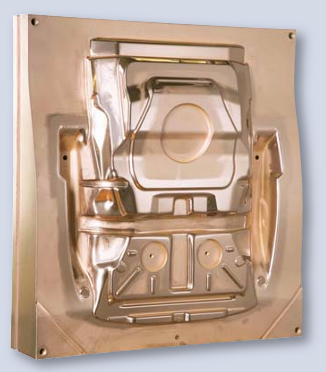
Iontec – HV ( Duplex Coating )
Process
Two surface treatment operations, e.g. 1. Nitriding (plasma)– The Plasma medium is used in preference to gas because there is more control & repeatability when nitriding very shallow depths and there is also greater control of the white layer 2. PVD Coating– The type of coating chosen depends on the application
• We call this Duplex process IONTEC-H Duplex Surface Engineering, What do we mean?
• Surface Modification (diffusion)–Nitriding–Carburising nitriding
• Surface coating +–PVD–Hard Cr coating–ENi = DUPLEX
Application
Increasing the hardness of a steel beneath the coating provides support for the very hard coatings (2000-3500HV) applied –improving performance
• Steels can be operated with a lower core hardness –providing toughness -as well as having a hard-wearing surface
• Low alloy steels can be utilised which would normally not be considered particularly suitable for coating alone
• Cheaper alternative steels can be considered for applications
• When the coating eventually wears away there is still a very hard surface layer beneath which will offer at least some improvement
• Improved abrasion / erosion resistance as well as wear resistance.
Duplex Surface Engineering Correct Heat Treatment for example D2, Harden at 1050ºC Double temper 500º.
PVD – Titanium Nitride Coating
Titanium nitride (TiN) is the most common PVD coating in use.
TiN shows very low reactivity with ferrous materials and so avoids tool wear caused by sticking. Its attractive gold colour, combined with high abrasive resistance makes TiN a widely used coating in decorative applications. High chemical stability makes TiN suitable for the use in food industry and for medical applications.
Due to its versatility TiN is a good general-purpose high performance coating.
Hardness 2300 ±200Hv
Max Working Temperature 500 °C ( 900F)
Friction Coefficient against Steel 0.6
Coating Thickness 1-6 µm
Colour Yellow Gold
Applications:
Machining – drills, cutters, punches etc.
Medical applications – prosthesis, surgical tools
Decorative applications and food industry
Metal forming, plastic moulding
Anti-Galling
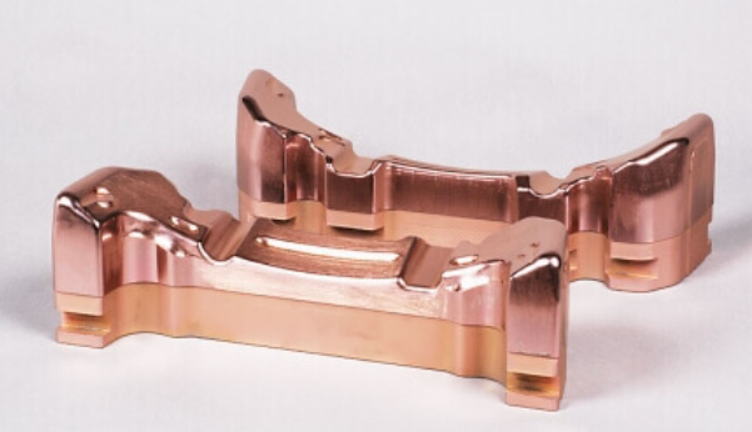
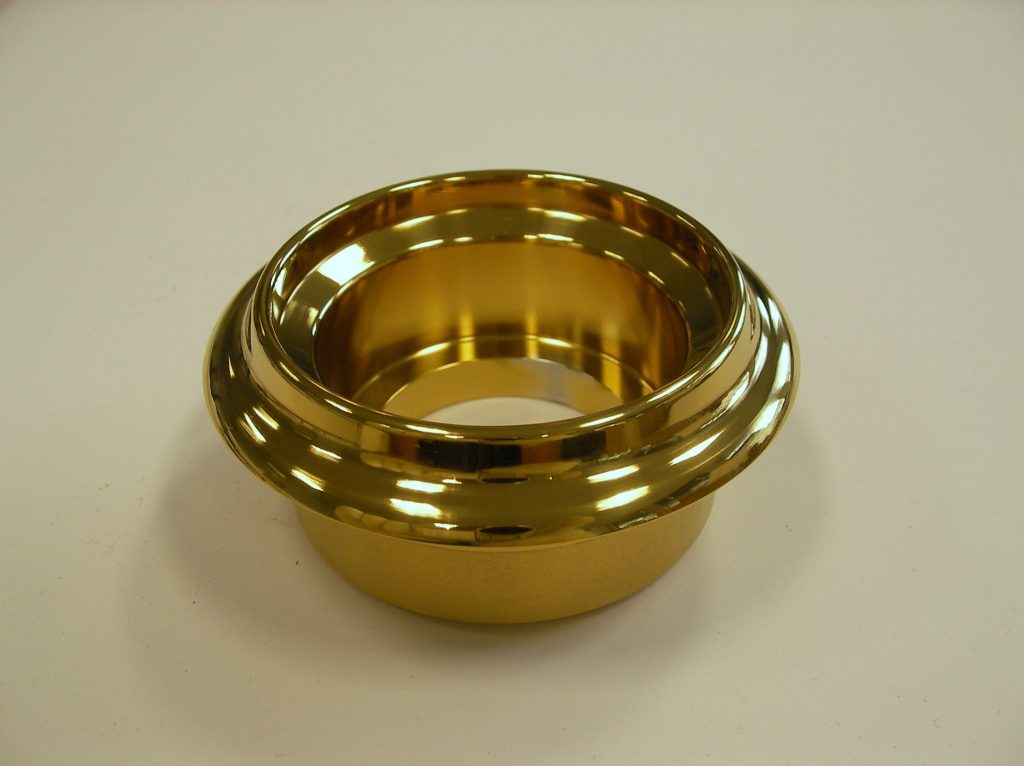
Variantic Coating (TiALN)
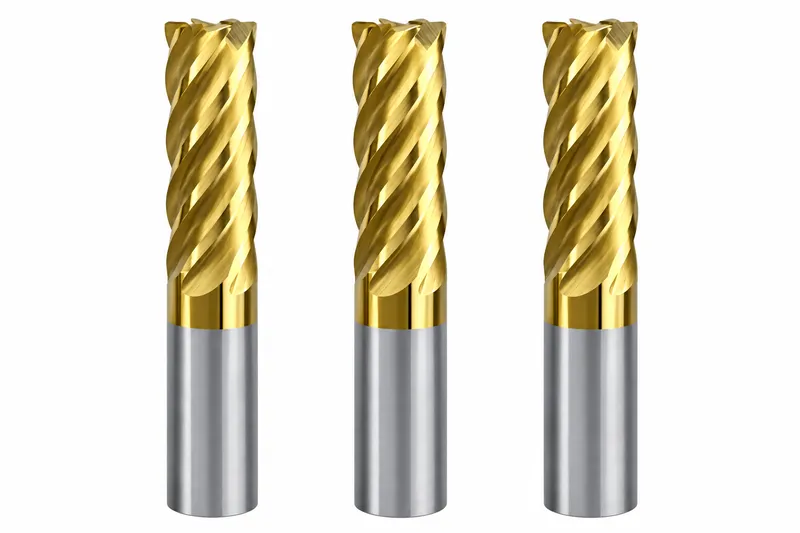
VARIANTIC is the next generation of multi-layered coating. It has all the advantages of the Variantic (TiAlN) coating, with the added benefit of low friction. Wet or dry, this coating will perform well on cemented carbide and high speed steel tools. It is considered, as an excellent general purpose coating which can be used in a wide variety of applications.
Applications of VARIANTIC
Multi-layer coating for a wide range of carbide, cermet and high speed steel tooling. Excellent for machining of all types of steel under dry as well as wet conditions.
Machining
Milling, turning, drilling and cutting tools for machining of high and low alloy steel, at high feed and cutting speed. Excellent for drilling operations in steel.
Forming
Drawing, stamping, punching, forming tools for processing of high and low alloy steel,
e.g. stainless steel
Coating properties
Low friction coefficient
High oxidation resistance
High hardness
PVD ZrN – ZrCN Zirconium Nitride Coatings
PVD ZrN and ZrCN coatings are especially recommended for cutting
of aluminium alloys and a good choice for cutting all non-ferrous
metals. This is based on the property that these coatings have a
low affinity to aluminium and hardly welds with light metals.
The added high hardness of ZrCN shows very good results in cutting of
Al alloys up to 8% Si content. We recommend this coating also for
cutting of fiberglass, nylon and a lot of polymers.
ZrN ZrCN
Hardness 2800 ±300Hv 3100 ±300Hv
Max Working –
Temperature 600 °C 600 °C
Friction Coefficient,
against Steel 0.5 0.5
Coating Thickness 1-4 µm 1-4 µm
Colour Pale yellow Light brown
We respect ecological, legal and ethical principles and national and cultural individualities and values.
Our guiding principles are based on mutual respect and a sense of responsibility towards our clients and partners.

contact us
aalberts surface technologies limited
Clover Street • Kirkby-in-Ashfield • NG17 7LJ • United Kingdom
t: +44 (0) 1623 753 107
aalberts surface technologies OCT limited
Unit 8 • Lichfield Road Industrial Estate • Tamworth • Staffordshire • B79 7XD • United Kingdom
t :+44 (0) 1827 634 89